
Winston‑Salem Basement Waterproofing: Expert Repairs & Complete Water‑Damage Solutions
Water in basements and moisture in foundations are common headaches for Winston‑Salem homeowners and businesses. They threaten structure, indoor air quality, and property value if left unchecked. This guide walks through the proven waterproofing and repair strategies used locally, explains foundation and crawl space fixes built for clay soils and our humid subtropical climate, and sets realistic expectations for cost and timelines. You’ll learn how interior drains, exterior membranes, sump pumps, French drains, vapor barriers, encapsulation, and foundation piers work, when each makes sense, and what to do immediately after water intrusion. Practical lists, side‑by‑side comparisons, and sample timelines help you prioritize fixes. Because Winston‑Salem’s soils and rainfall patterns affect outcomes, we stress local adaptation and point to vetted service steps to evaluate. After reading, you’ll be able to compare estimates and choose the next steps to keep your basement dry and healthy.
What Are the Most Effective Basement Waterproofing Methods in Winston Salem?
Waterproofing either keeps water away from the foundation (exterior methods) or manages it inside the structure (interior systems). Both approaches lower hydrostatic pressure and moisture problems when installed correctly. Interior drainage funnels seepage to a sump pump; exterior membranes and grading stop water at the wall; vapor barriers reduce soil vapor and interior humidity. The best choice depends on access, whether the basement is finished, soil type, and how severe the water issue is. In Winston‑Salem, tailoring solutions for clay soils and seasonal rainfall improves long‑term performance and reduces repeat repairs.
The most common local methods include:
- Interior drainage channels that collect seepage at the footing and route it to a sump pump.
- Exterior waterproofing membranes with excavation to block infiltration at the foundation face.
- French drain systems that relieve lateral groundwater pressure, installed outside or inside the footing.
- Vapor barriers and encapsulation to cut vapor transmission and control humidity in finished spaces.
These tactics are complementary, not exclusive — combining them adds redundancy and lowers future maintenance risk.
Intro to comparison table: use the table below to compare cost, ideal conditions, installation time, lifespan, and core pros/cons for Winston‑Salem properties.
This comparison shows interior systems often cost less up front while exterior work tackles the source; the next section explains how interior and exterior systems operate and when to pick each.
Local specialists in Winston‑Salem provide quality basement waterproofing by pairing diagnostic inspections with method selection that fits site constraints and finished interiors. That model favors transparent assessments and tailored plans that deliver durable results with minimal unnecessary disruption.
How Do Interior and Exterior Waterproofing Systems Prevent Water Damage?
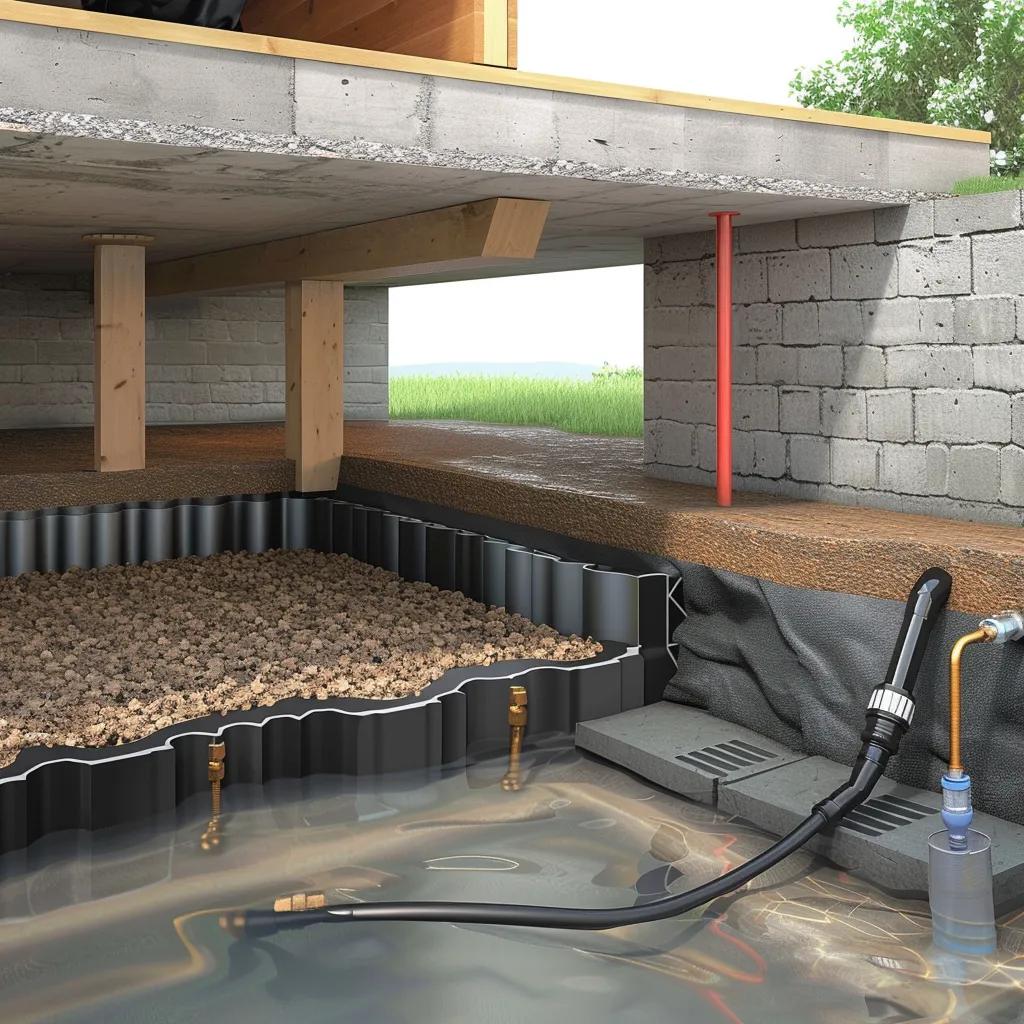
Interior and exterior systems stop water either by moving it away from living spaces or by blocking it before it reaches the wall. Interior solutions install a drainage channel at the base of foundation walls to catch seepage and route it to a sump pump — a good choice when you want to protect finished space without major excavation. Exterior solutions use excavation and membranes or coatings to prevent water passage at the source and work best when grading and subsoil drainage can be corrected. Choosing between them depends on finished basements, landscaping impact, and whether you’re dealing with active leaks or mainly vapor issues. That evaluation determines whether a targeted interior fix or a source‑level exterior repair is the right move.
These mechanics lead directly to component decisions — vapor barriers, drainage channels, and pumps — that combine to form a layered defense for varied weather conditions.
What Role Do Vapor Barriers and Drainage Systems Play in Basement Waterproofing?
Vapor barriers and drainage systems work together: vapor barriers limit moisture vapor moving through walls and floors, while drainage systems manage liquid water and hydrostatic pressure. A quality vapor barrier (thick poly or rigid panels in finished basements) lowers relative humidity and prevents condensation, cutting mold risk and improving indoor air. Drainage typically uses perforated pipe in a gravel channel with a sump discharge outlet to relieve groundwater pressure and move water away. Together they create redundancy: drainage handles bulk water and pressure, and the vapor barrier controls residual moisture and humidity for occupant health and lasting finishes.
To show component roles, the table below compares common waterproofing parts and their functions.
Knowing what each component does helps homeowners plan maintenance and decide when combined systems are necessary to handle both vapor and liquid water.
How Can Foundation Repair Services in Winston Salem Protect Your Property?
Foundation repair stabilizes movement, seals common water entry points, and prevents progressive damage that threatens safety and value. Repairs target root causes of cracks, settlement, and wall bowing — often tied to soil movement, hydrostatic pressure, and moisture swings — using engineered techniques to restore load paths and alignment. Acting early limits secondary problems like sticking doors, uneven floors, and accelerated wall deterioration. Foundation repair should be coordinated with waterproofing because lingering moisture can weaken piers or anchors over time.
Here’s a concise overview of common repair techniques and what they protect against for Winston‑Salem properties:
- Helical or push piers: transfer loads to stable strata and correct settlement.
- Wall anchors and tiebacks: stabilize bowed walls and reduce inward movement.
- Epoxy crack injection: seal and reinforce non‑moving cracks to prevent leaks.
These techniques reduce structural risk and preserve resale value while complementing moisture‑control measures for long‑term performance.
What Are the Common Signs of Foundation Cracks and Structural Issues?
Spotting foundation problems early lets you get a timely evaluation and prevents escalation. Watch for vertical or stair‑step cracks in masonry, horizontal cracks in poured walls, doors and windows that stick, uneven or sloping floors, and gaps at drywall seams or baseboards. Worsening cracks, sudden door misalignment, or visible wall bowing are signs to call a pro quickly — they can indicate significant movement. Secondary clues such as persistent moisture, mold, or efflorescence often accompany structural issues and increase the need for combined waterproofing and structural repair.
If you notice these signs, schedule a diagnostic inspection so a stabilized repair plan can be coordinated with moisture control to limit recurrence.
Common signs to monitor include:
- Visible foundation cracks: new or growing cracks in walls or floors.
- Sticking doors and windows: changes in operation that indicate movement.
- Uneven floors or gaps: sloping surfaces or separation at trim and drywall.
Early detection lowers repair scope and cost compared with delayed action. The next section covers which repair techniques are commonly chosen for Winston‑Salem homes.
Which Foundation Repair Techniques Are Best for Winston Salem Homes?
The right repair depends on soil behavior, structure type, load paths, and installation access. Winston‑Salem’s clay soils often call for deep‑bearing solutions that bypass unstable near‑surface layers. Helical and push piers transfer loads to deeper, stable soils and can be installed with minimal interior disturbance. Wall anchors and tiebacks correct lateral pressure and bowing, while epoxy injection is suitable for non‑active vertical cracks that need sealing and some strength restoration. Whichever technique is selected, it should be combined with drainage fixes and waterproofing so moisture‑driven soil movement won’t undo the repair.
To compare approaches at a glance, see this mini comparison:
Pick a technique after a site‑specific assessment that measures movement, checks soil, and coordinates waterproofing needs for durable results.
Why Is Crawl Space Encapsulation Important for Moisture Control in Winston Salem?
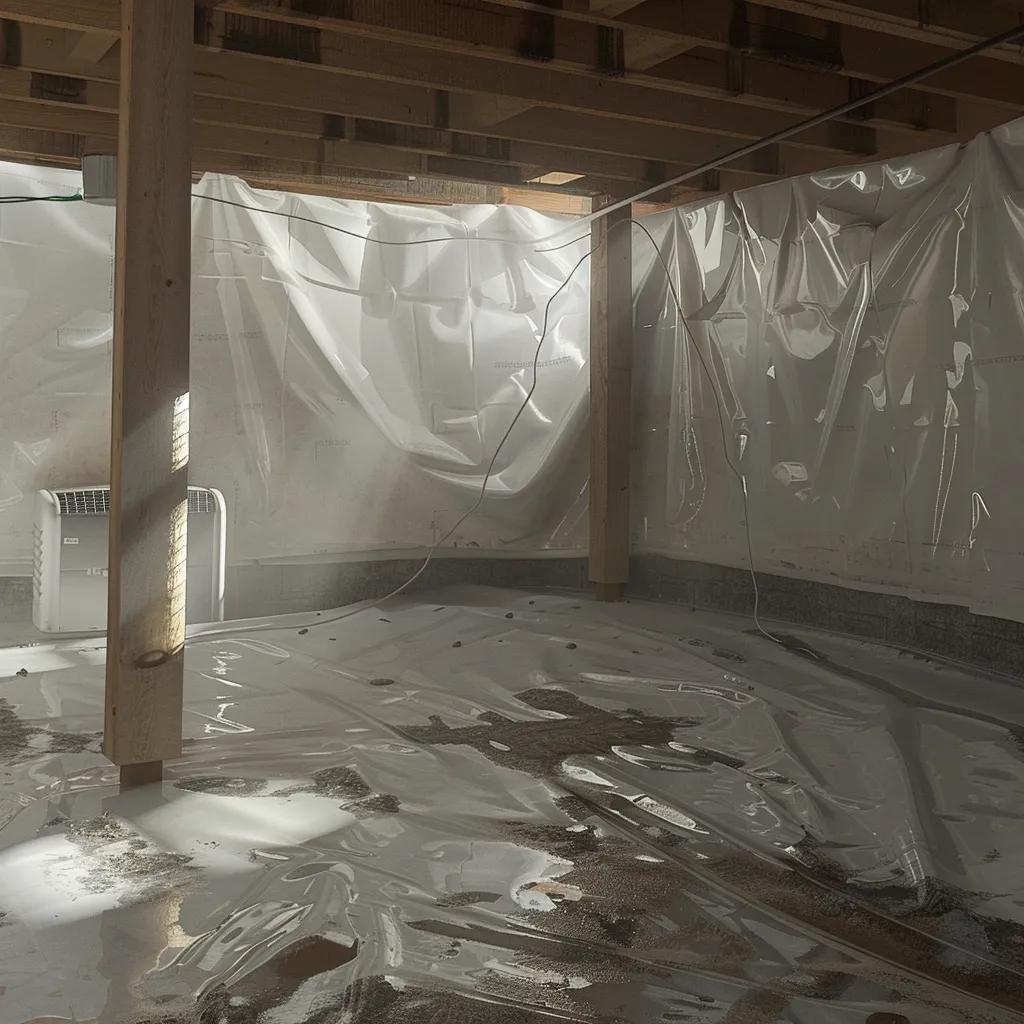
Encapsulating a crawl space reduces ground‑driven humidity, limits air exchange with living areas, and creates a controlled envelope that improves indoor air quality and energy performance. Typical encapsulation installs a continuous vapor barrier on the floor and walls, seals vents and penetrations, adds insulation where needed, and conditions the space with a dehumidifier or mechanical ventilation. In Winston‑Salem’s humid climate, encapsulation prevents moisture‑laden air from raising indoor humidity, cuts mold risk, and protects joists and subfloor from rot. Properly designed systems also stabilize HVAC loads and can extend the life of mechanical equipment by keeping the space drier.
The sections below explain how encapsulation improves air quality and which materials and systems are standard in effective installs.
How Does Crawl Space Encapsulation Improve Indoor Air Quality and Prevent Mold?
Encapsulation improves indoor air by blocking the pathway that lets moisture, soil gases, and mold spores enter living spaces. A continuous vapor barrier, sealed vents and penetrations, and a correctly sized dehumidifier reduce migration of humid soil air and keep relative humidity in check. Insulation and careful sealing prevent cold spots and condensation. Together, these measures lower allergens, cut mold growth, and reduce musty odors — protecting occupant health and building materials.
Better indoor air quality from encapsulation often reduces the need for repeated mold remediation when paired with other waterproofing steps.
Intro to materials table: the table below compares common encapsulation components, what they do, and the benefits homeowners can expect in Winston‑Salem.
This table shows how each component contributes to a stable, dry crawl space and guides material selection.
What Materials and Systems Are Used in Crawl Space Encapsulation?
Durable encapsulation relies on robust materials and careful detailing to perform long term in humid conditions. Common choices include 12–20 mil vapor barrier sheets for floors and walls, vapor‑rated tape and mastic for seams and penetrations, closed‑cell foam or rigid insulation where needed, and commercial‑grade dehumidifiers sized to the space. Best practices include anchoring barriers to the foundation wall, creating drainage if groundwater is present, and sealing plumbing or mechanical penetrations to preserve continuity. Regular maintenance — dehumidifier service and seam inspections — keeps encapsulation effective and protects indoor air quality and structural elements.
Material and service choices should follow a site‑specific assessment of moisture drivers and access constraints.
What Are the Key Water Damage Repair Solutions Available in Winston Salem?
Water‑damage repair in Winston‑Salem covers immediate extraction, drying and dehumidification, mold containment and remediation, and necessary structural repairs. Work is staged to limit health risks and stop progressive failure. Mitigation starts with safe water removal and rapid drying using dehumidification and airflow to halt mold growth and material deformation. Repairs may then include crack sealing, drainage and sump upgrades, finish replacement, and foundation stabilization when settlement or structural issues exist. For a moderate event, mitigation may take days and full structural and finish repairs several weeks, depending on scope.
Immediate mitigation steps homeowners or property managers should expect:
- Rapid water removal and containment to limit spread.
- Controlled drying and dehumidification to lower moisture content.
- Inspection and documentation of damage to prioritize repairs.
Local teams offering quality basement waterproofing in Winston‑Salem combine diagnostic assessment with coordinated repair planning so mitigation and prevention are handled together. Requesting a free estimate is the first step toward a tailored remediation and prevention plan.
How Does JME Basement Waterproofing Address Basement Water Intrusion and Mold Growth?
JME starts with a diagnostic assessment to map water pathways, root causes, and affected materials, then recommends an integrated plan for mitigation and prevention. The assessment reviews grading, foundation penetrations, interior moisture patterns, and structural stress signs to determine whether interior drainage, exterior repairs, sump upgrades, vapor barriers, or encapsulation are needed. After mitigation (water removal and drying), JME coordinates repairs — crack sealing, drainage upgrades, and humidity control — and provides follow‑up monitoring advice. JME offers free estimates and flexible payment plans, presenting comprehensive solutions that combine waterproofing with foundation repair when needed to prevent recurrence.
This approach helps homeowners move from reactive fixes to a preventive strategy that addresses causes as well as symptoms.
When Should You Schedule Water Damage Repair to Prevent Further Structural Issues?
Schedule repairs as soon as active leaks or flooding are found — within hours to days for standing water — because delays increase mold spread, material decay, and structural risk. Urgent signs include continuous seepage, visible mold growth, sagging finishes, or structural movement after a water event; these call for immediate mitigation and professional review. For chronic dampness, efflorescence, or periodic seepage, plan remediation promptly after diagnosis to avoid cumulative damage. Quick action limits repair scope, lowers total cost, and helps preserve indoor air quality compared with prolonged exposure.
If you see urgent signs, prioritize emergency extraction and drying, then schedule comprehensive repair and prevention to avoid repeats.
JME provides coordinated mitigation, repairs, and prevention planning for homeowners — requesting a free estimate will clarify timing and scope for a full recovery plan.
How Much Does Basement Waterproofing Cost in Winston Salem, NC?
Cost varies by method, damage extent, site access, and soil complexity. Interior drainage and sump pump installs typically cost less than exterior excavation and membrane work, but prices rise when finished basements need careful remediation or when foundation repair is required. Accessibility, landscape disruption, material quality, and coordinating structural repairs (piers, anchors) also affect price. Knowing the main cost drivers helps you compare bids and weigh upfront expense against long‑term durability.
Major factors that influence price include method, labor and materials, soil condition, damage extent, and accessibility; the list below breaks these down.
- Method chosen: interior drainage, exterior excavation, or a combined approach.
- Site accessibility: tight yards or finished basements increase labor and equipment needs.
- Soil and hydrostatic conditions: clay soils or a high water table may require deeper solutions.
- Extent of structural repair: piers or wall anchors add scope and cost.
- Materials and component quality: longer‑life pumps, membranes, and pipe raise initial cost.
Intro to cost influence table: the table below maps price drivers to typical impact and example notes for Winston‑Salem situations.
With these influencers in mind, homeowners can compare proposals more effectively and prioritize solutions that balance upfront cost with long‑term resilience.
JME Basement Waterproofing offers free estimates and flexible payment plans to help manage costs; requesting an estimate clarifies scope and makes comparing durable options easier.
What Factors Influence the Price of Basement Waterproofing and Related Services?
Several interrelated factors determine final price. The selected method sets materials and labor — interior drainage with a sump needs trenching and plumbing, while exterior membrane work includes excavation, backfill, and landscape restoration. Soil type and hydrostatic pressure affect whether deeper or more robust systems are required; Winston‑Salem’s clay soils often need more extensive drainage. Accessibility for equipment and crew, protecting finished interiors, permitting or inspection costs, and the degree of mold or structural remediation all add to the bill. Example scenarios range from a simple sump and interior drain for minor seepage to an exterior membrane plus foundation repair for active, severe infiltration.
Understanding these dynamics helps homeowners decide between short‑term mitigation and long‑term prevention to lower lifecycle costs.
Are There Flexible Payment Plans and Free Estimates Available?
Many local providers give free, no‑obligation estimates to diagnose problems and propose solutions, and flexible payment options can make larger repairs manageable. A free estimate lets a qualified technician evaluate soil, existing drainage, and finished‑basement conditions, then provide an itemized proposal that clarifies scope and expected outcomes. When offered, payment plans can spread costs without sacrificing system quality. Always request written estimates and confirm payment terms before work begins to ensure clear expectations and protection.
When comparing proposals, ask each provider for a detailed estimate and about payment options so you can balance budget and durability.
How Does Winston Salem’s Climate and Soil Affect Waterproofing Needs?
Winston‑Salem’s humid subtropical climate and widespread clay soils create specific waterproofing challenges: heavy summer rains and wet seasons raise hydrostatic pressure while clay expands when wet and contracts when dry, producing movement that stresses foundations and waterproofing systems. These conditions increase the chance of seepage, lateral wall pressure, and higher vapor transmission into basements and crawl spaces. Effective strategies must address both bulk water and ongoing moisture through drainage, vapor control, and systems that tolerate soil movement. Site‑specific diagnostics — looking at rainfall patterns, grading, and subsurface flow — are essential to choose solutions that stand up to local cycles.
The next subsection outlines geotechnical behaviors that shape design choices and practical mitigation approaches for local conditions.
What Challenges Do Clay Soils and Humid Subtropical Climate Present?
Clay soils show shrink‑swell behavior that applies variable loads to foundations; paired with heavy rain, this increases lateral pressure and settlement risk over seasonal cycles. High humidity supports persistent vapor transmission into basements and crawl spaces, encouraging condensation and mold if vapor control and ventilation are lacking. Intense storms can quickly raise the water table, creating spikes in hydrostatic pressure that outstrip undersized drainage. Designing waterproofing and foundation systems that accommodate movement and robustly manage water during both typical and extreme events is critical.
Recognizing these challenges leads to tailored strategies that balance drainage capacity, structural stabilization, and vapor control.
How Does JME Customize Solutions for Local Conditions?
JME uses local experience to tailor systems for Winston‑Salem’s soil and climate by combining a thorough assessment with method selection aligned to site conditions and homeowner priorities. Their process includes mapping drainage patterns, checking foundation movement signs, and recommending integrated solutions — for example, interior drainage with vapor control or piers paired with exterior grading fixes — based on access and finished‑space constraints. When repairs require coordination, JME proposes combined waterproofing and foundation plans to stop water and restore stability. Ask for a free estimate so a tailored plan and cost options, including any payment plans, can be discussed.
A site‑specific assessment ensures the chosen strategy tackles immediate moisture control and builds long‑term resilience to local environmental stresses.
Frequently Asked Questions
What are the long-term benefits of basement waterproofing?
Basement waterproofing delivers long‑term benefits: stronger structural integrity, better indoor air quality, and higher property value. Preventing water intrusion avoids costly repairs from mold, rot, and foundation damage. A dry basement can also reduce energy use by easing the HVAC load. In short, effective waterproofing protects your home and supports a healthier living environment.
How often should I inspect my basement for water damage?
Inspect your basement at least twice a year — spring and fall — and after heavy storms. Look for new stains, condensation, musty odors, or structural changes. Early detection lets you address problems before they grow and keeps repair costs lower.
Can I waterproof my basement myself, or should I hire a professional?
Minor tasks like sealing small cracks or applying waterproof paint can be DIY, but comprehensive waterproofing usually needs professional assessment and installation. Pros ensure correct diagnosis, proper system sizing, and code compliance for sump pumps, drainage, and exterior work. Hiring a qualified contractor gives you reliable results and peace of mind.
What should I do immediately after discovering water in my basement?
Act quickly: ensure the area is safe (turn off power if needed), remove valuables, and contain the water. If safe, use a wet/dry vacuum for standing water and start drying with fans and dehumidifiers. Contact a professional for a full assessment and remediation plan — prompt action limits mold and structural damage.
How does humidity affect basement waterproofing effectiveness?
Humidity matters. High humidity causes condensation that can lead to mold and material decay even without liquid water entry. Effective systems include vapor barriers and dehumidification to control humidity. Regular monitoring helps maintain optimal conditions and improves overall waterproofing performance.
What are the signs that my basement needs waterproofing?
Signs include water stains on walls or floors, musty odors, visible mold, peeling paint, and foundation cracks. Persistent dampness or condensation is also a warning. Address these issues early to prevent more extensive and costly repairs.
Are there any warranties or guarantees for waterproofing services?
Many reputable companies offer warranties that vary by length and coverage. Warranties commonly cover system performance and may include repair provisions if water returns within the warranty period. Discuss warranty terms, coverage details, and maintenance requirements with your contractor before work begins.
Conclusion
Protecting your Winston‑Salem home from water damage means choosing solutions matched to local soil and climate. Understanding methods, signs, costs, and customization options helps you make confident decisions about waterproofing and foundation repairs. Proactive work today reduces risk, saves money over time, and keeps your home healthy. Request a free estimate from JME Basement Waterproofing to explore a tailored plan that keeps your basement dry and your family safe.